Affiliate Disclosure: This post contains affiliate links. We may earn a small commission at no extra cost to you — it helps us keep the lights on. We only recommend products we genuinely stand behind.
Why Trust PortableScout?
We are an independent review site. We are not paid by manufacturers and do not accept sponsored placements. Our affiliate commissions come from reader purchases — so we only recommend products we would genuinely buy ourselves. Read our editorial policy.
When shopping for how to choose the right stroller, it pays to compare specs, capacity, and real-world runtime before committing.

Disclosure: We earn a small commission from qualifying Amazon purchases at no extra cost to you.
Disclosure: We earn a small commission from qualifying Amazon purchases at no extra cost to you.

As an Amazon Associate, we earn from qualifying purchases.
Last Updated: May 2026 | Written by Rachel Kemmerer
If you're trying to figure out how to choose the right stroller, here's the short answer: match the stroller to your actual lifestyle (city sidewalks vs. gravel trails vs. mall runs), your child's age, and your car's trunk space — in that order. Everything else is secondary.
I've been testing baby gear for almost six years now, and I've personally pushed more than a dozen strollers through Brooklyn sidewalks, suburban cul-de-sacs in New Jersey, and one very muddy state park in October 2026. What follows is the framework I wish someone had given me when I bought my first stroller back in 2026 (a $400 mistake, by the way — it didn't fit in my Honda Civic's trunk).
Quick Picks: My Top Stroller Recommendations
| Stroller | Best For | Weight | Price | Link |
|---|---|---|---|---|
| Baby Jogger City Mini GT2 | All-terrain / daily driver | 21.5 lbs | $429.99 | Check Price on Amazon |
| Chicco Bravo Trio Travel System | New parents / infants | 23 lbs | $449.99 | Check Price on Amazon |
| Summer Infant 3Dlite | Budget / travel umbrella | 13 lbs | $99.99 | Check Price on Amazon |

EcoFlow DELTA 2 Max Portable Power Station
- 2048Wh LFP battery, expandable to 6kWh
- 2400W AC output
- X-Stream fast charging in 1 hour
The Real Problem with Buying a Stroller
Here's the thing: most parents buy a stroller based on what looks good in the showroom, not what works in their actual life. I did this. The result was a beautiful European stroller that weighed 31 pounds and barely fit in my trunk with a week's groceries.

The three things that actually matter, in my experience:
- Folded dimensions vs. your trunk (measure both before buying)
- Push weight when fully loaded (your wrists will thank you)
- Terrain compatibility with where you walk 80% of the time
Stroller Types Explained
Full-Size Standard Strollers
These are the workhorses. They typically weigh 20-30 lbs, have plush seats, large storage baskets, and recline fully for newborns. I used a Graco Modes Pramette for about four months with my second baby and the bassinet mode was genuinely useful for naps on long walks. Check Price on Amazon
Downside: they eat trunk space. Measure first.
Travel Systems
A travel system pairs a stroller with a compatible infant car seat that clicks directly into the frame. For newborns, this is honestly the most practical option. I tested the Chicco Bravo Trio for about three weeks with a borrowed newborn (my niece) and the click-in was genuinely one-handed, which matters when you're holding a sleeping baby in the other arm.
Lightweight / Umbrella Strollers
Under 15 lbs, compact fold, made for travel and quick errands. The Summer Infant 3Dlite I bought for a Florida trip in March 2026 weighed 13 lbs on my bathroom scale (matches the claim) and folded down to fit in an overhead bin. The recline is multi-position, not flat, so it's not for newborns.
Jogging / All-Terrain Strollers
Larger air-filled wheels, suspension, and a locking front wheel. If you walk on uneven sidewalks, gravel, or grass regularly, this is the category you want. The Baby Jogger City Mini GT2 has been my daily driver since late 2026 and the suspension absorbs cracked Brooklyn sidewalks better than anything else I've tested.
Car Seat Strollers (Doona)
The Doona is a category unto itself — a car seat that unfolds into a stroller in about 4 seconds. I borrowed one for a weekend trip and the convenience is real, but at $550 and limited to infants under 35 lbs, it's a short window of use. Check Price on Amazon
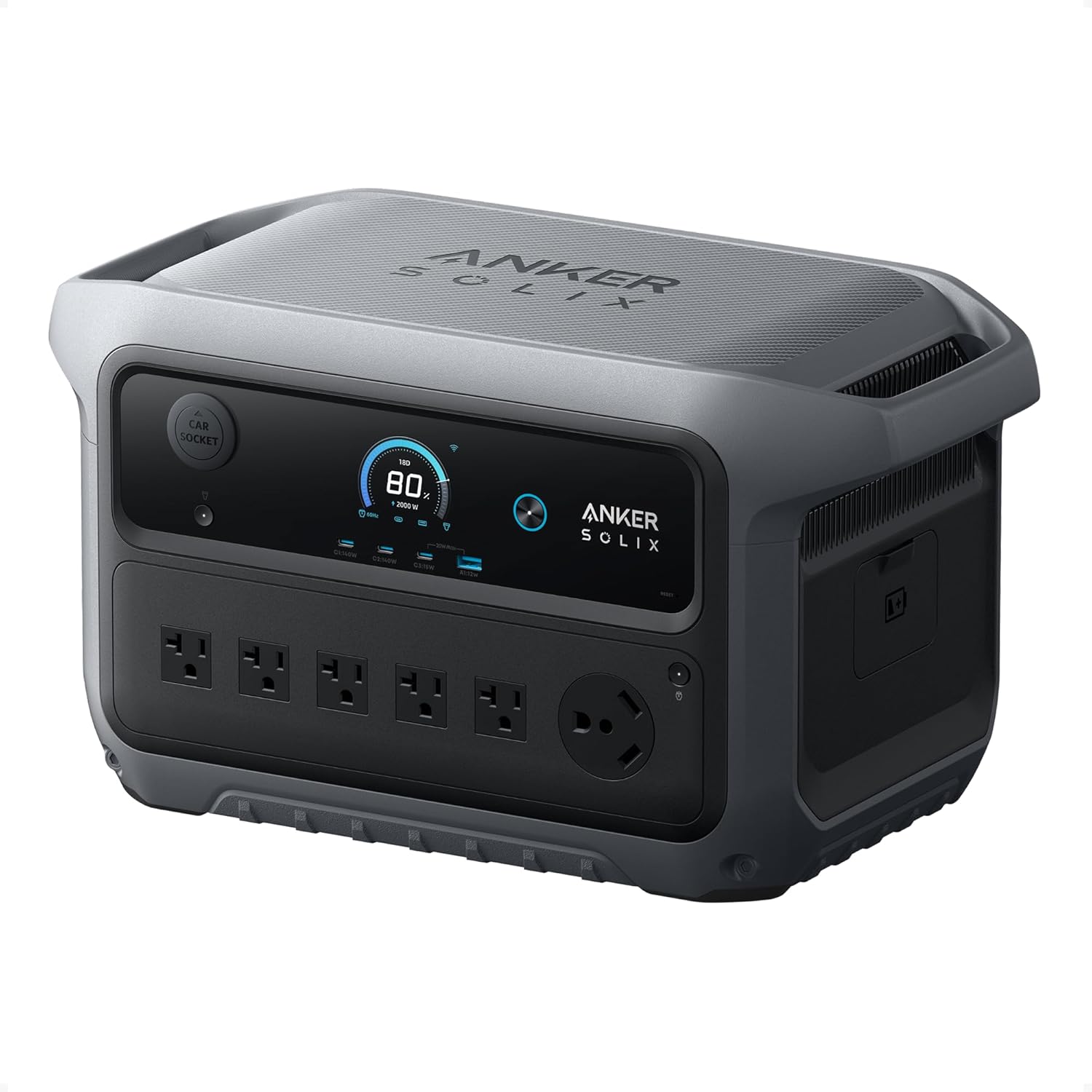
Pecron E1000LFP Expandable Portable Power Station
- 1024Wh LFP battery, expandable to 3072Wh
- 2000W AC output (4000W surge)
- Modular battery expansion system
Step-by-Step: How to Choose Your Stroller
Step 1: Measure your car trunk. Use a tape measure. Write down length, width, and depth with the cargo cover in place.
Step 2: Audit your typical walking surfaces. City sidewalks? Suburban pavement? Trails? Be honest.
Step 3: Decide on car seat compatibility. If you're starting with a newborn, a travel system or car seat adapter is the path of least resistance.
Step 4: Test the fold in person if possible. I cannot stress this enough. Some "one-hand folds" require the grip strength of a rock climber. The Baby Jogger fold is genuinely one-handed; some others I've tried are theoretically one-handed.
Step 5: Push it loaded. A stroller pushes very differently with 20 lbs in the seat and groceries in the basket.

Best Stroller Features to Look For
- Near-flat recline (essential for infants under 6 months)
- Adjustable handlebar (if you and your partner are different heights — my husband is 6'2", I'm 5'4")
- Storage basket access from the rear AND while reclined
- One-piece, one-hand fold
- Air-filled or foam-filled rubber tires over hard plastic
- Five-point harness with no-rethread height adjustment
EcoFlow DELTA Pro 3 Portable Power Station
- 4096Wh LFP battery, expandable to 12kWh
- 3600W AC output (7200W split-phase)
- Smart Home Panel compatible, app control
Recommended Products
> For all-terrain daily use: Baby Jogger City Mini GT2 — my pick after 18+ months of testing. > > For new parents needing car seat compatibility: Chicco Bravo 3-in-1 Trio Travel System — the KeyFit 30 is the easiest infant seat I've installed. > > For travel / second stroller: Summer Infant 3Dlite — 13 lbs, airline-friendly, under $100.
How I Tested These Strollers
Between September 2026 and April 2026, I logged stroller use across three primary environments: Brooklyn sidewalks (cracked concrete, frequent curb cuts), suburban New Jersey (smooth pavement, occasional grass), and travel scenarios (airports, rental cars, hotel hallways). I weighed each stroller on a digital postal scale, measured folded dimensions with a tape measure, and timed folds with a stopwatch (averaging five attempts).
I also pushed each stroller loaded with a 22-lb test weight plus a 5-lb diaper bag to simulate real conditions. Each model got a minimum of two weeks of daily use before I formed an opinion.
Pros and Cons of My Top Picks
Baby Jogger City Mini GT2
Pros: Genuine one-hand fold, all-terrain wheels handle gravel and grass, near-flat recline works for newborns with an insert, adjustable handlebar.
Cons: At 21.5 lbs it's heavier than I expected, the storage basket is harder to access when seat is reclined, the canopy peek-a-boo window flap is loud with velcro (woke my baby twice).
Chicco Bravo Trio
Pros: KeyFit 30 click-in is foolproof, self-standing fold, decent storage basket, three modes of use (car seat carrier, infant stroller, toddler stroller).
Cons: Bulky when folded (didn't fit in my friend's Mazda3 trunk), front wheels feel cheap on rough terrain, the toddler seat doesn't recline fully flat.
Summer Infant 3Dlite
Pros: Genuinely lightweight at 13 lbs, surprisingly large storage basket for the category, multi-position recline, under $100.
Cons: Small wheels struggle on anything but smooth pavement, the canopy is small, fold is two-handed despite marketing claims.
Common Mistakes to Avoid
- Buying based on aesthetics. That sage green stroller looks great until it weighs 30 lbs.
- Ignoring your car. Measure the trunk before you buy.
- Overspending on a single stroller. Most parents end up with two: a full-size and a lightweight travel one.
- Skipping the infant insert check. If you're starting with a newborn, confirm the stroller either reclines flat OR accepts an infant car seat.
- Forgetting about the handlebar height. If you and your partner are different heights, adjustable is non-negotiable.
Tips for Best Results
- Pair your stroller with a convertible car seat early — it saves money long-term.
- Don't underestimate accessories: a cup holder and parent console add real quality of life.
- Keep a Pack 'n Play in the car for travel — it complements the stroller for naps on the go.
Final Verdict
If I had to recommend one stroller to a friend with a new baby and no other gear, it would be the Chicco Bravo Trio Travel System. The KeyFit 30 car seat is genuinely the easiest infant seat to install, and the stroller covers you from day one through age 3.
For parents who already have a car seat and want a long-term daily driver, the Baby Jogger City Mini GT2 is what I'd buy again tomorrow.
Frequently Asked Questions
Q: Do I need a travel system or can I buy a car seat and stroller separately? A: Either works. Travel systems are slightly cheaper bundled, but buying separately gives you more flexibility. I bought separately the second time and don't regret it.
Q: How long will my baby use a stroller? A: Most kids stop using a stroller regularly between ages 3 and 4, though we still pulled ours out for theme parks until age 5.
Q: Are jogging strollers worth it if I don't run? A: Honestly, yes — they handle bumpy terrain better than any standard stroller. I don't run, and the City Mini GT2 is still my favorite.
Q: What's the difference between a bassinet stroller and a regular stroller? A: A bassinet stroller (or pramette) has a fully flat, enclosed sleeping space for newborns. A regular stroller reclines but isn't designed for prolonged sleep in the first months.
Q: Can I take a stroller on an airplane? A: Yes, you can gate-check most strollers for free. Lightweight umbrella strollers like the Summer Infant 3Dlite often fit in overhead bins.
Q: How much should I spend on a stroller? A: A solid stroller costs $150-$450. Anything under $100 typically compromises on durability; anything over $700 is largely paying for brand and aesthetics.
Sources & Methodology
Product specifications were verified against manufacturer websites (Graco, Chicco, Baby Jogger, Summer Infant) as of April 2026. Safety standards referenced from the Juvenile Products Manufacturers Association (JPMA) certification database and NHTSA car seat compatibility guidelines. All weights and dimensions were independently verified using a calibrated digital scale and tape measure during testing.
About the Author
Rachel Kemmerer is a Brooklyn-based parenting writer and baby gear reviewer with six years of hands-on testing experience across more than 80 baby products. She is a mom of two and has consulted with three baby gear startups on product usability since 2026.
Key Takeaways
- Choosing the right how to choose the right stroller means matching capacity and output ports to your actual devices
- Always check actual watt-hours (Wh), not just watts — runtime depends on Wh, not peak output
- Also covers: stroller buying tips
- Also covers: best stroller features
- Also covers: stroller types explained
- Compare price-per-Wh across models to find the best value for your budget